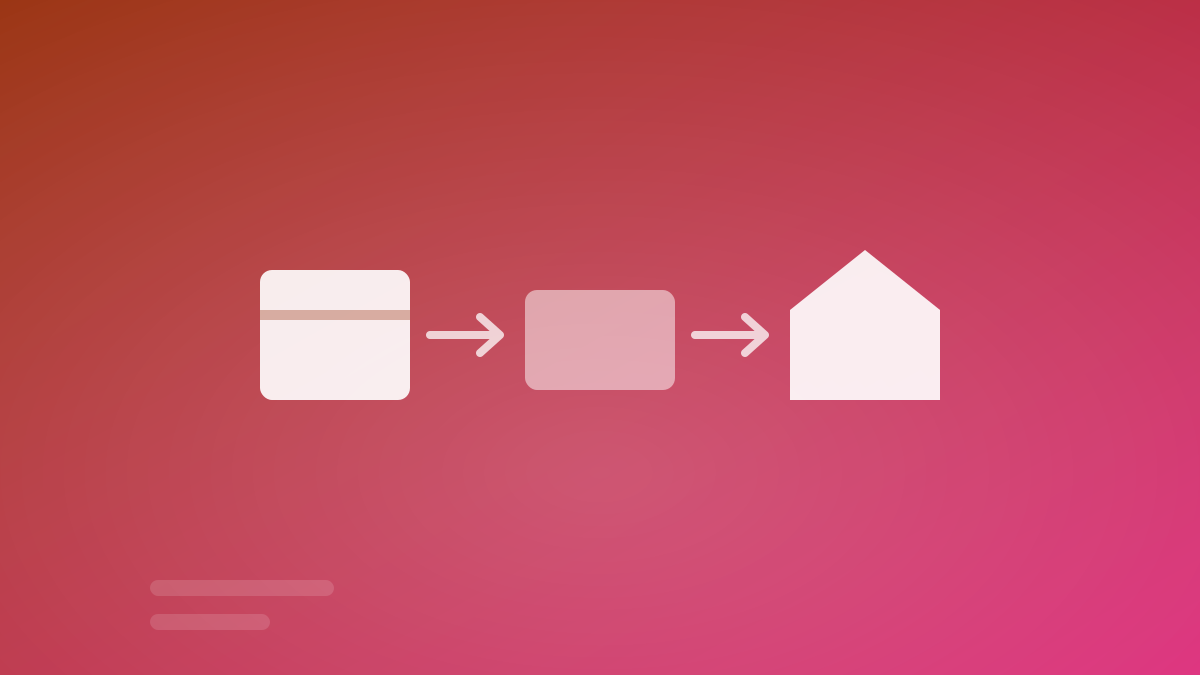

How dropshipping works
In dropshipping, you sell a product you never hold. A buyer orders on your store and pays you. You pass the order to a supplier, who packs it and ships it to the buyer. You keep the gap between your price and the supplier's. It needs little money to start, which is why so many people try it. The catch is that you control very little of what the buyer actually receives.
Is it legal in India?
Dropshipping itself is not banned. The Consumer Protection (E-Commerce) Rules, 2020 apply to all models of e-commerce, and your store carries the duties. Show your legal name, address and customer care contacts. Name a grievance officer on the site. That officer must acknowledge each complaint within 48 hours and resolve it within one month.
Taxes and honest listings
Dropshipping does not change your tax position. You bill the buyer, so GST and invoicing follow the normal rules for your business. If you are unsure how GST applies to you, ask a tax professional before your first sale. Your listing must match what the supplier actually sends. Accepted refunds must be paid within a reasonable time. The buyer bought from you, so a supplier's mistake still lands on your store.
Where Indian suppliers are
Most sellers find suppliers on B2B directories and wholesale sites, or by asking makers directly. Local suppliers matter more here than overseas ones. A parcel from abroad can take weeks, and buyers used to fast delivery will not wait that long. Before you list anything, order the product to your own address. Check the quality, the packing and how long it took. Ask how the supplier handles returns, how fast they dispatch, and whether they can ship in plain packing under your brand name.
The COD and delivery-time problem
This is where most Indian dropshipping stores struggle. Many buyers still choose cash on delivery. Some refuse the parcel at the door, and you pay shipping both ways. Slow delivery makes it worse, because a buyer who waits too long often changes their mind. You also depend on the supplier to dispatch on time, every time. Get their dispatch time in writing, and show buyers an honest delivery estimate.
Pros and cons for an Indian store
| Pros | Cons |
|---|---|
| Little money needed to start | Thin margin on every order |
| No stock to store or count | No control over packing or dispatch |
| Easy to test many products | Refused COD parcels cost you both ways |
| Can run from anywhere | Buyers blame you for supplier mistakes |
Margins after returns
A margin that looks good on paper shrinks fast. Take off the ad cost to win the order, the payment or COD charge, and the cost of parcels that come back. Because dropshipping is easy to start, competition is heavy, and sellers undercut each other on price. When each order earns you little, one refused parcel can cancel out the profit from several good ones. Work out your profit per order after returns before you scale anything.
When it makes sense
Dropshipping works best as a test. Use it to learn which products and messages sell, then buy stock of the winners so you control quality and speed. Push buyers toward prepaid to cut refused parcels. On The Storemate you can offer UPI, cards and COD, block COD on risky pincodes, and nudge buyers to prepaid. Test cheaply, then commit to what sells.